Your Cart is Empty


In this article
Getting up once or twice in the night to pee is common, and it becomes more common as you get older. If it is happening more often, or your flow has changed, it is worth understanding why. This guide covers what the NHS says about night-time peeing and an enlarged prostate, what to try, and when to see a GP.
An enlarged prostate is a common cause
The prostate is a small gland below the bladder that makes semen and controls the flow of pee. If it gets bigger, it can press on the tube that carries pee out of the bladder. The NHS says an enlarged prostate is common and not usually serious, most common in men over 50. It is thought to be linked to hormone changes as you get older, and it is not caused by prostate cancer or a sign you will get it (NHS).
The NHS lists these symptoms, which usually develop slowly:
- difficulty starting to pee, or having to push or strain
- a weak flow, stopping and starting, taking longer to empty
- feeling you cannot fully empty your bladder
- dribbling after you finish
- needing to pee more often or urgently, including getting up to pee during the night
When to see a GP
The NHS says to see a GP if you have difficulty peeing or need to pee more often. Try not to be embarrassed: GPs are used to talking about it. It matters because these symptoms can sometimes be caused by other, more serious conditions, such as prostate cancer, and finding cancer early may make it easier to treat.
The NHS says to ask for an urgent GP appointment or get help from NHS 111 if you have blood in your pee (pink, red or brown), pain when peeing, or you cannot pee at all.
Our guides on urinary and pelvic symptoms in men and how to talk to your GP cover the warning signs, PSA testing and how to prepare.
What a GP may do
A GP will ask about your symptoms and may examine your tummy and penis, and feel inside your bottom with a finger to check the size of the prostate. The NHS says they will usually ask you to keep a record for at least 3 days of how much you drink and how often and how much you pee. A pee sample and a PSA blood test may follow, and you may be referred to a specialist for further tests.
Things you can do
For enlarged prostate symptoms, the NHS suggests:
- cut down on alcohol and caffeine, as they can make you pee more
- drink less before bed or before going out, but drink enough through the rest of the day
- eat enough fibre to prevent constipation, which can put pressure on your bladder
- keep to a healthy weight, as being overweight can make symptoms worse
- wait a moment after you pee and try again, to help empty your bladder
- do not strain or push, and try to relax when you pee
- ask a doctor or pharmacist whether any medicines you take for other conditions could be making symptoms worse
The NHS also says not to cut down too much on fluids, as this can cause problems such as urinary tract infections. Bladder training and pelvic floor exercises are other options a GP may discuss.
Treatment
An enlarged prostate does not always need treatment. The NHS says doctors usually recommend lifestyle changes first. If symptoms are moderate or severe you may be offered medicines, and surgery is an option if medicines have not helped or symptoms are severe. A doctor will explain the benefits and side effects.
Where to go next
Our men's health hub collects plain-language guides on urinary health, pain and more.
Sources
- NHS. Enlarged prostate.
- NHS. Prostate cancer: symptoms.
Medical information on this page is general and not a substitute for advice from your GP or another qualified clinician.
Explore the range

Recovapro Lite Massage Gun with Charging Mat
Percussion for your everyday routine.
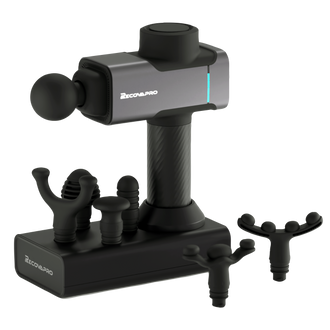
Recovapro Max with docking station
The flagship massage gun.