Your Cart is Empty


In this article
Persistent muscle pain invites strong promises. This article takes the slower route: what myofascial pain and fibromyalgia are, what massage research actually measured, and where a vibrating ball honestly fits.
Separate the two conditions
Myofascial pain syndrome involves localised pain and tender trigger points in specific muscles. Fibromyalgia is different in kind: the NHS describes a long-term condition causing pain all over the body, with fatigue, poor sleep and concentration problems, possibly affecting around one in twenty people to some degree. One does not simply turn into the other. [1]
What self-massage research measured
A 2017 narrative review found that self-myofascial release, mostly studied as foam rolling, increased joint range of motion without reducing strength. It also found no clinical trials testing the technique against myofascial pain itself, and called that an acute research gap. A change in range of motion is not proof of pain relief. [2]
What fibromyalgia studies show
A 2021 systematic review found six studies with 279 participants and reported moderate evidence that myofascial release, given by therapists or as structured self-treatment, improved pain, sleep and quality of life in people with fibromyalgia. The authors stressed that more high-quality trials are needed. That is a careful positive, not a cure, and it does not transfer automatically to a vibrating ball used at home. [3]
Drop the prevention promise
An earlier version of this article claimed that treating myofascial pain early prevents fibromyalgia, and described releasing toxins from trigger points. Neither claim is established. Fibromyalgia is thought to involve how the central nervous system processes pain, and trigger-point science is still unsettled. [1]
Build the plan around proper care
NHS fibromyalgia guidance centres on a tailored exercise programme, relaxation, better sleep habits and talking therapies, with medicines for some symptoms and support from your GP. A massage ball can sit alongside that plan as an optional comfort, used gently and within its instructions, never as the plan itself. [4] [5] [6]
Sources and further reading
- NHS: fibromyalgia symptoms, causes and treatment overview.
- 2017 narrative review of self-myofascial release: range-of-motion findings and the missing pain trials.
- 2021 systematic review: moderate evidence for myofascial release on pain, sleep and quality of life in fibromyalgia; more trials needed.
- NHS: fibromyalgia self-help, including exercise, relaxation and sleep habits.
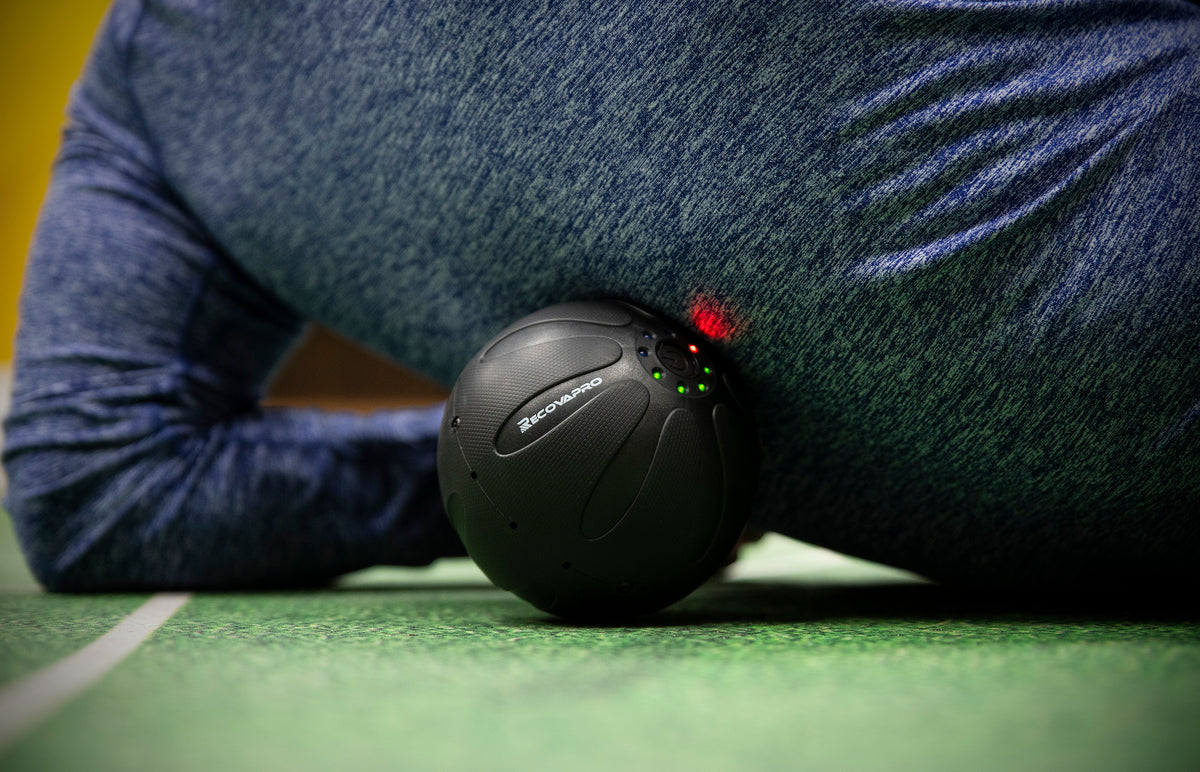
- RecovaBall product information, used only to identify the optional product, not as independent clinical evidence.
- Recovapro instructions directory. Use model-specific instructions rather than study settings.
General information, not a diagnosis or personal treatment plan. Recovapro sells recovery devices. Reviewed 14 November 2026.
Explore the range
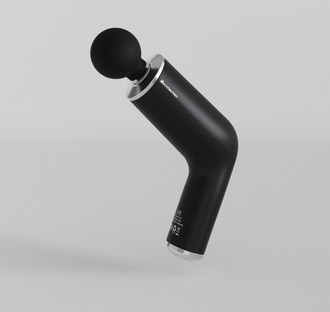
Recovapro Lite Massage Gun with Charging Mat
Percussion for your everyday routine.
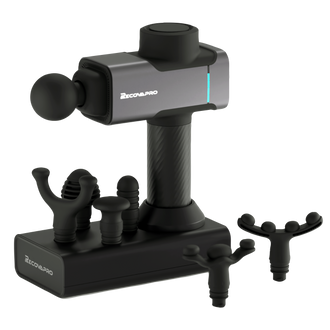
Recovapro Max with docking station
The flagship massage gun.