Your Cart is Empty


In this article
A failed first attempt can drain the will to try again. Motivation usually returns after action rather than before it, so the useful question is how to make the next action small enough to take.
Notice what you are avoiding
NHS self-help guidance suggests spending a week noting the tasks you delay or avoid entirely, including things you used to enjoy. Common themes usually appear, and they show you where to focus. That beats demanding a general surge of willpower. [1]
Plan a balanced week
The same NHS technique splits your week into three colours: routine tasks, necessary tasks and enjoyable activities. A week with none of the enjoyable colour drains the battery that motivation runs on. Enjoyment is planned, not earned. [1]
Make the first step almost too small
Set a timer for five minutes and start; many people find they can keep going once started. Alternate harder tasks with easier ones to borrow momentum. Approach a task at your best time of day, in the place that suits it, with a small reward planned. These are NHS techniques based on cognitive behavioural therapy, not slogans. [1]
Know when it is more than motivation
If a flat, low feeling lasts for weeks, or you have stopped enjoying things you used to like, treat that as a health question rather than a discipline problem. A GP or NHS talking therapies can help, and Every Mind Matters offers further self-help tools. No equipment purchase is part of this picture. [2]
Sources and further reading
- NHS Every Mind Matters: tackling your to-do list with CBT-based steps.
- NHS Every Mind Matters: self-help tools and where to find further support.
General information, not a diagnosis or personal treatment plan. Recovapro sells recovery devices. Reviewed 14 November 2026.
Explore the range
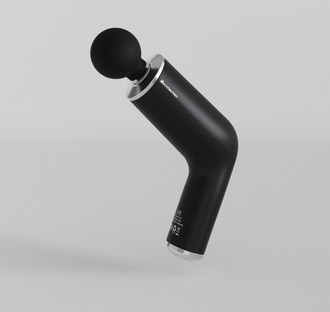
Recovapro Lite Massage Gun with Charging Mat
Percussion for your everyday routine.
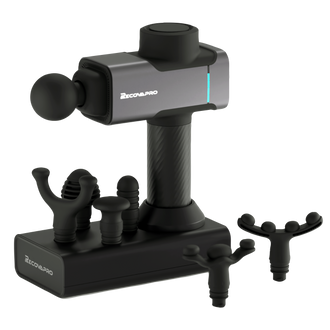
Recovapro Max with docking station
The flagship massage gun.