Your Cart is Empty


In this article
Compression boots and compression socks both put pressure around the legs. That shared word does not make them the same device, or mean that evidence for one can be transferred to the other.
Socks: elastic pressure while you wear them
Compression stockings and socks use elastic material to apply pressure to the lower legs. Medical products come in different compression classes and may be prescribed for particular circulation problems. Fit, strength and wearing time should follow professional advice. [1]
A sports sock bought for a run is not automatically equivalent to a prescribed stocking. Do not swap a medical prescription for a recovery product because the descriptions sound similar.
Boots: air chambers that inflate and deflate
Intermittent pneumatic compression uses a powered device to cycle pressure through air-filled sleeves. In sports recovery studies, people use this as a separate session rather than a garment worn throughout a workout. [2]
That makes the practical experience different. Socks move with you; a boot session generally asks you to pause. Neither format is automatically the better choice for every person.
Compare outcomes, not just mechanisms
The 2024 sports review included 17 studies and 319 participants. It found possible benefits for perceived soreness, smaller effects on muscular function and variable results for muscle-damage markers. It was not a trial proving Recovapro Air superior to socks. [2]
A separate review of compression garments included 160 articles and 2,530 participants. Results differed by exercise and outcome. These are different evidence sets, not a simple league table of boots versus socks. [3]
Medical compression is a separate decision
Do not use a consumer recovery-boot comparison to choose DVT prevention, post-surgery care or treatment for a circulation condition. Ask the clinician responsible for that care which device, if any, is suitable. [1]
New pain and swelling in one leg need urgent GP advice or NHS 111. With breathlessness or chest pain, call 999 or go to A&E; do not drive yourself. [4]
Explore compression as a separate choice
If compression is suitable for you, explore Recovapro Air and follow the instructions supplied with your model. A stronger squeeze is not a better health outcome.
Explore the pain guides · Compression research and session planner
Sources and further reading
- NHS inform. Compression stockings and socks: uses, fit and professional advice.
- Maia et al. (2024). Lower-limb intermittent pneumatic compression and sports recovery: systematic review and meta-analysis. Not a Recovapro trial.
- Leabeater et al. (2022). Tight Margins: compression garments during exercise and recovery. Garments are not pneumatic boots.
- NHS. Deep vein thrombosis: symptoms and urgent/emergency advice.
General information, not a diagnosis or a personal treatment plan. Commercial interest: Recovapro sells recovery devices. Reviewed 13 November 2026.
Explore the range
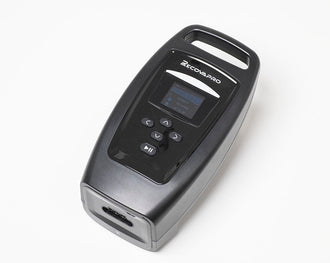
Recovapro Air - Compression Therapy Device
Compression boots for your recovery routine.
Explore the pain guides · Compression research and session planner