Your Cart is Empty


In this article
Compression boots can be used while you sit still. Active recovery involves movement. The distinction matters: a pressure cycle may be part of your recovery routine, but it does not turn a stationary session into an easy walk.
Active recovery: an easier movement choice
When muscles are sore after exercise, lighter movement can help them feel looser. Cleveland Clinic suggests options such as a short walk while avoiding another intense workout on the same sore muscles. Choose the demand around how you feel. [6]
Pneumatic boots: a stationary pressure cycle
Air chambers repeatedly inflate and deflate around the legs. You can experience that pressure while seated or lying down, so the format is different from actively moving your muscles. [1]
A shared interest in recovery does not make the methods interchangeable. You do not need to describe boots as exercise to decide that you enjoy using them.
What the sports evidence actually measures
A 2024 systematic review included 17 studies with 319 participants. It found possible benefits for perceived pain and soreness, but smaller effects on muscle function and variable results for markers of muscle damage. Different protocols and small studies limit what can be promised. This was not a clinical trial of Recovapro Air. [1]
Studies of soreness, muscle function and blood markers answer different questions. A pleasant session does not prove that training readiness has improved, and a laboratory protocol is not your personal pressure prescription.
Avoid the blood-clot prevention claim
Consumer recovery boots are not a replacement for an individual DVT prevention or treatment plan. Medical uses of compression involve their own clinical decisions. [12]
Possible DVT symptoms such as new pain and swelling in one leg need urgent GP advice or NHS 111. With breathlessness or chest pain, call 999 or go to A&E; do not drive yourself. [12]
Choose a routine you can assess
If compression suits you, follow the supplied instructions, check the fit and keep the session comfortable. Do not use a stronger squeeze to override new symptoms. Ask a clinician before use if you have a medical condition or uncertainty about suitability.
Some days the useful choice may be an easier walk; other days it may be rest. A device remains optional, not a requirement to recover properly.
Choose your next step
If compression is suitable for you, explore Recovapro Air and follow the instructions supplied with your model. Choose around fit and comfortable use, not the highest pressure.
Explore the pain guides · Compression research and session planner
Sources and further reading
- Cleveland Clinic. Delayed-onset muscle soreness: timing, easing activity and symptoms that need assessment.
- Maia et al. (2024). Lower-limb intermittent pneumatic compression and sports recovery. Seventeen studies, 319 participants; not a Recovapro trial.
- NHS. Deep vein thrombosis: symptoms and urgent/emergency advice.
- Recovapro Air: commercial product and suitability information, not independent evidence of a medical benefit.
General information, not a diagnosis or a personal treatment plan. Commercial interest: Recovapro sells recovery devices. Written by The Recovapro Research Team. Reviewed 13 November 2026.
Explore the range
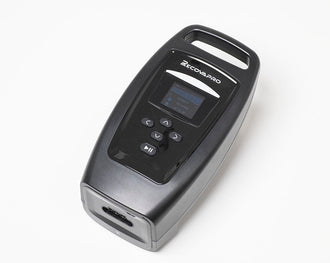
Recovapro Air - Compression Therapy Device
Compression boots for your recovery routine.
Explore the pain guides · Compression research and session planner